77 Water Well

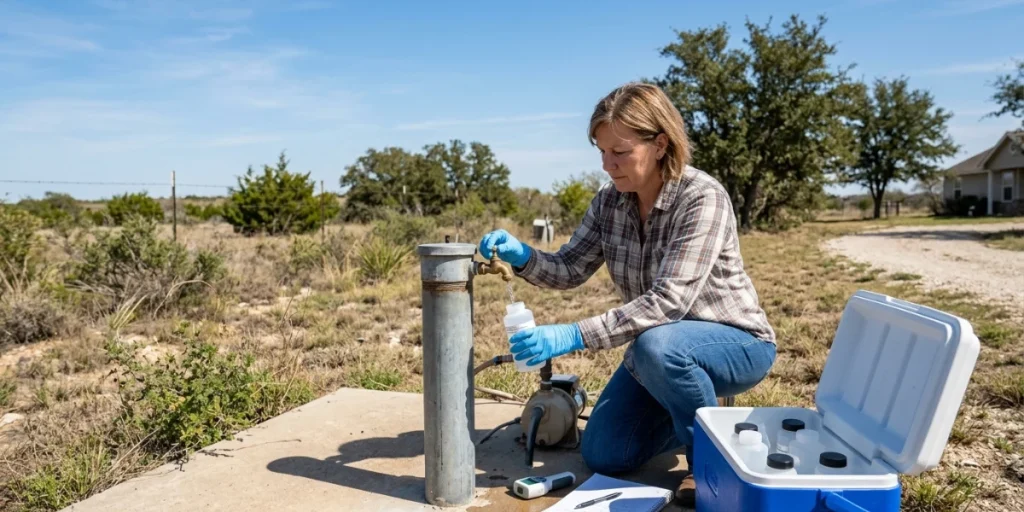
Water well test

Well Water Testing: What to Test For, How Often and How to Read Results

Summary: Private well owners are responsible for their own water safety because no federal agency tests it for them. Routine annual checks for coliform bacteria, nitrate, pH, and dissolved solids form the core. Extra tests for metals and local chemicals follow a longer schedule. Comparing lab results with health limits reveals problems early, and any

Well Water Testing: What to Test For, How Often and How to Read Results Read More »
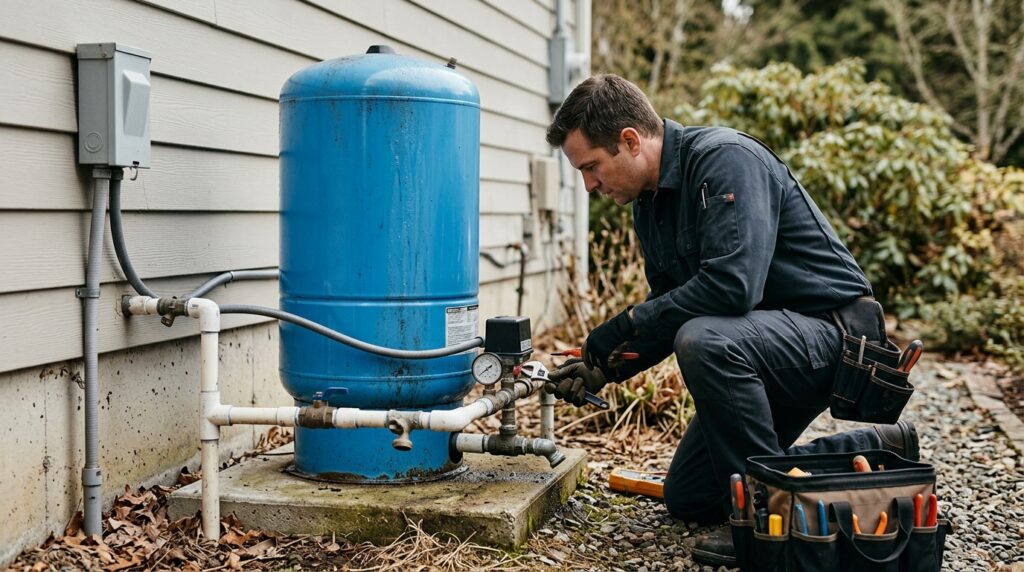
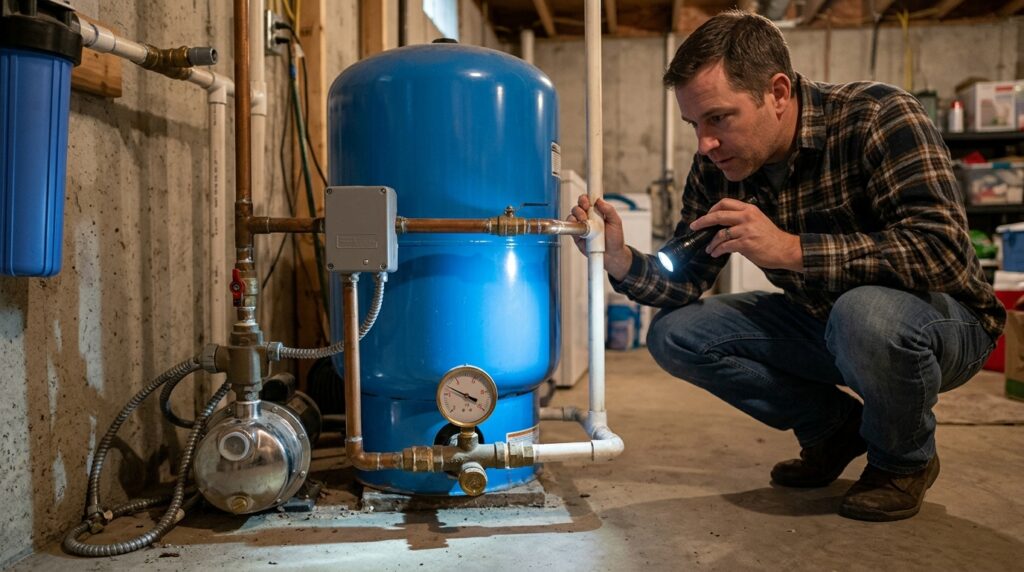
Well Water Pump Is Failing

How Do You Know If Your Well Water Pump Is Failing?

Summary: Recognizing signs of a failing well pump, such as low water pressure, unusual noises, short cycling, sediment, or rising energy bills, can help prevent complete system failure. Understanding basic troubleshooting, preventive maintenance, symptom combinations, and repair or replacement considerations can support timely action and reliable well operation. Your well pump works quietly in the

How Do You Know If Your Well Water Pump Is Failing? Read More »

Water Well Be Drilled for Reliable Supply

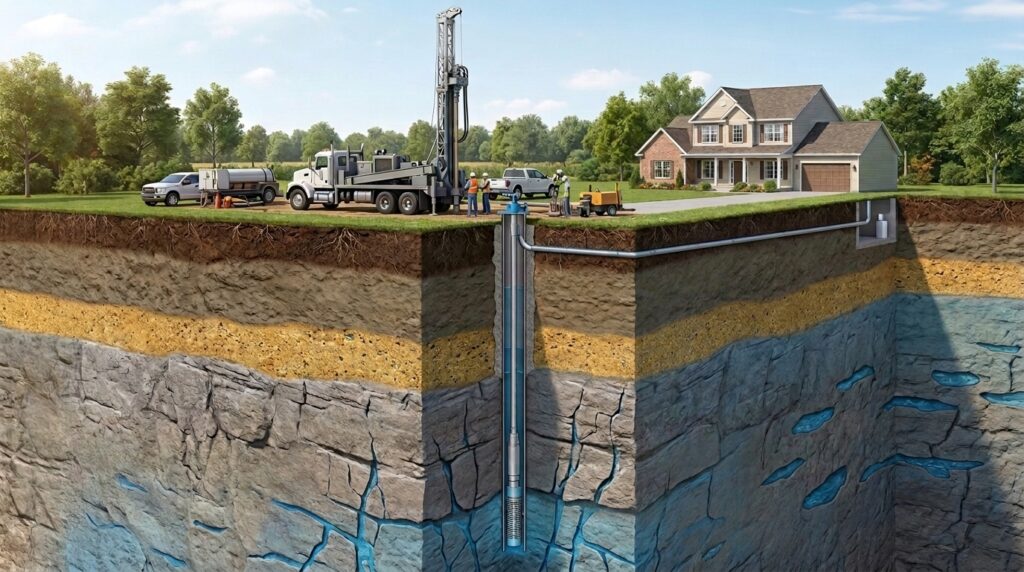
How Deep Should a Water Well Be Drilled for Reliable Supply?

Summary: Water well depth varies by local geology, aquifer conditions, groundwater levels, property characteristics, and household demand rather than following a universal standard. In North Houston, evaluating nearby well records, seasonal water levels, and site-specific conditions can help determine an appropriate depth while supporting reliable water supply and realistic project planning. Anyone planning a new

How Deep Should a Water Well Be Drilled for Reliable Supply? Read More »

signs of corrosion in well casing

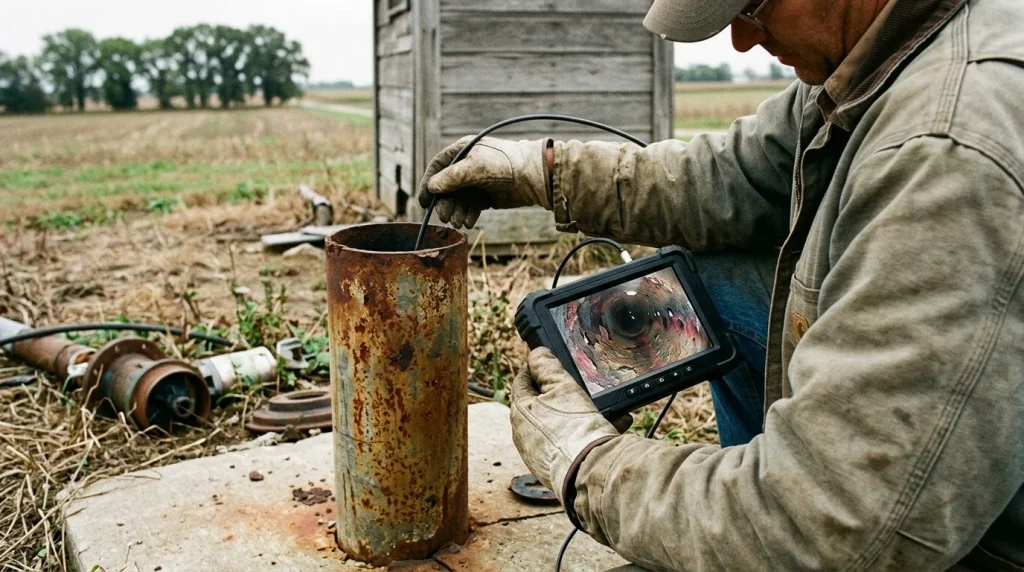
What Are Signs of Corrosion in an Older Well Casing?

A water well casing plays an essential role in protecting groundwater from contamination while supporting the structural integrity of the well. Although it often remains out of sight, the casing works continuously to keep soil, surface water, bacteria, and debris from entering the water supply. As steel casings age, corrosion can gradually weaken the material

What Are Signs of Corrosion in an Older Well Casing? Read More »

DIY Well Maintenance

DIY Well Maintenance Checklist: What Homeowners Can (and Can’t) Safely Do Themselves

Owning a private water well in Texas puts you in charge of your own water supply. That comes with real responsibility, but it also comes with a common question: what can I actually do myself, and what should I leave to a professional? The good news is that there are several simple maintenance tasks homeowners

DIY Well Maintenance Checklist: What Homeowners Can (and Can’t) Safely Do Themselves Read More »

Winterizing Your Well

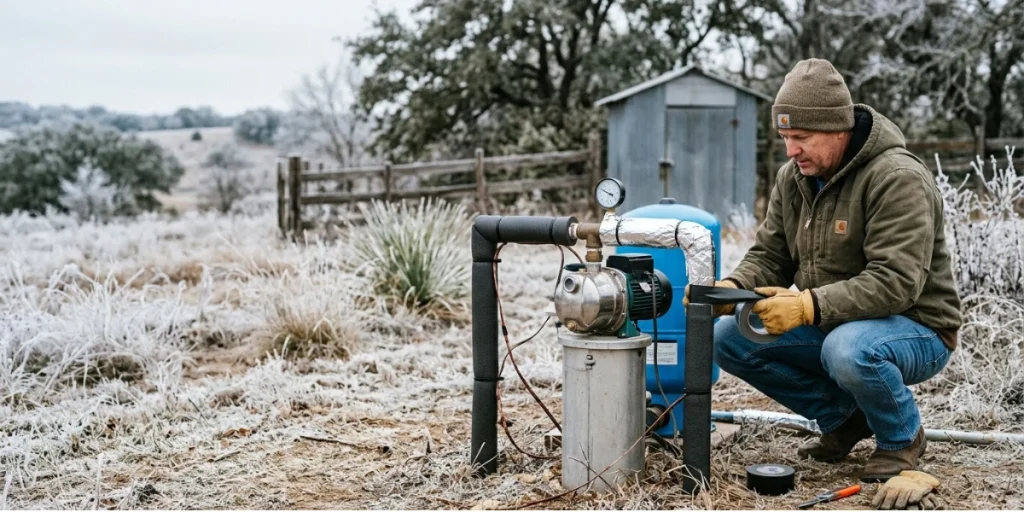
Winterizing Your Well: Protecting Pipes and Pump from a Texas Freeze

Most people associate brutal winter freezes with northern states, not Texas. But anyone who lived through Winter Storm Uri in 2021 knows that is a dangerous assumption. That storm left millions without power, burst countless pipes, and reminded every Texas homeowner — including private well owners — that freeze preparation is not optional. For families

Winterizing Your Well: Protecting Pipes and Pump from a Texas Freeze Read More »

warning signs your water well pump is failing

How to Tell If Your Water Well Pump Is Failing: 6 Signs North Houston Homeowners Shouldn’t Ignore

If your home runs on well water, your pump is the heart of your entire water system. It works quietly underground, day and night, pulling water up to your faucets, showers, and appliances. Most people never think about it until something goes wrong. A pump rarely fails all at once. It usually sends out small

How to Tell If Your Water Well Pump Is Failing: 6 Signs North Houston Homeowners Shouldn’t Ignore Read More »