77 Water Well

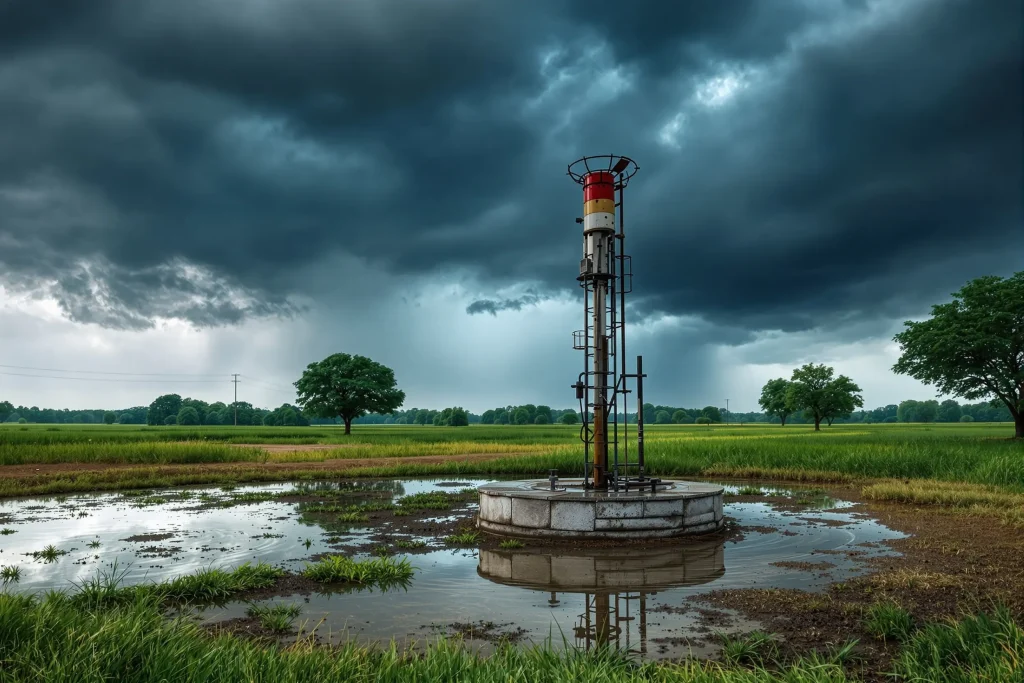
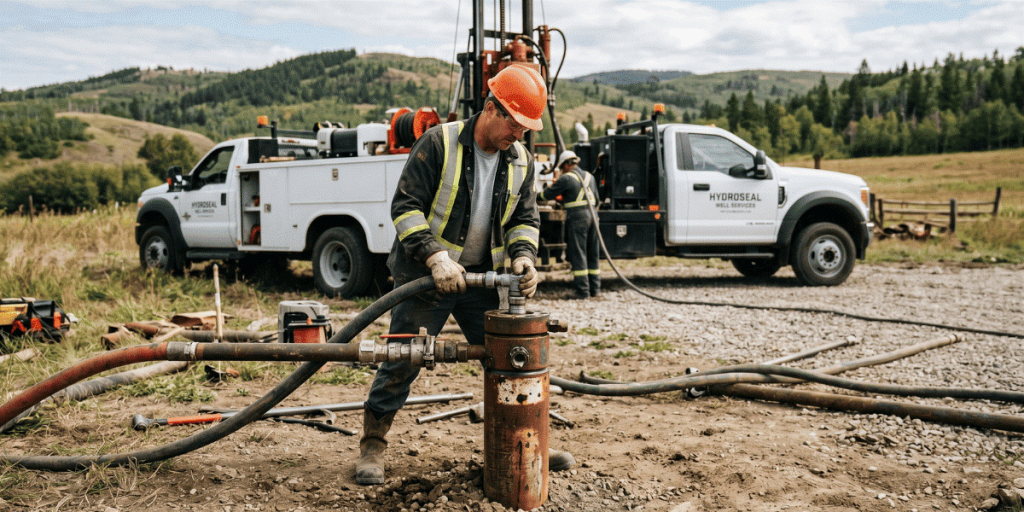
Abandoned Wells Must Be Properly Sealed

Well Plugging Explained: When and Why Abandoned Wells Must Be Properly Sealed

Abandoned water wells are easy to overlook, especially on older properties across Texas. Some are hidden beneath overgrown grass, while others sit unused for years after a property changes ownership. Even though these wells may appear inactive, they can still create serious environmental and safety concerns beneath the surface. An unused well can become a

Well Plugging Explained: When and Why Abandoned Wells Must Be Properly Sealed Read More »
Pressure Tank Needs Replacing

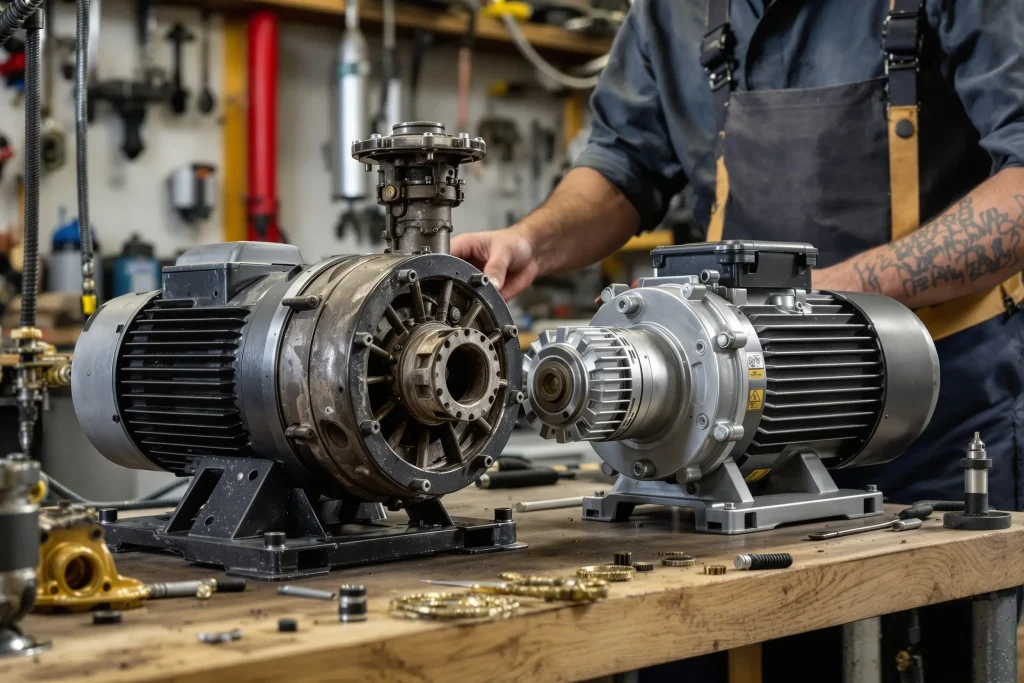
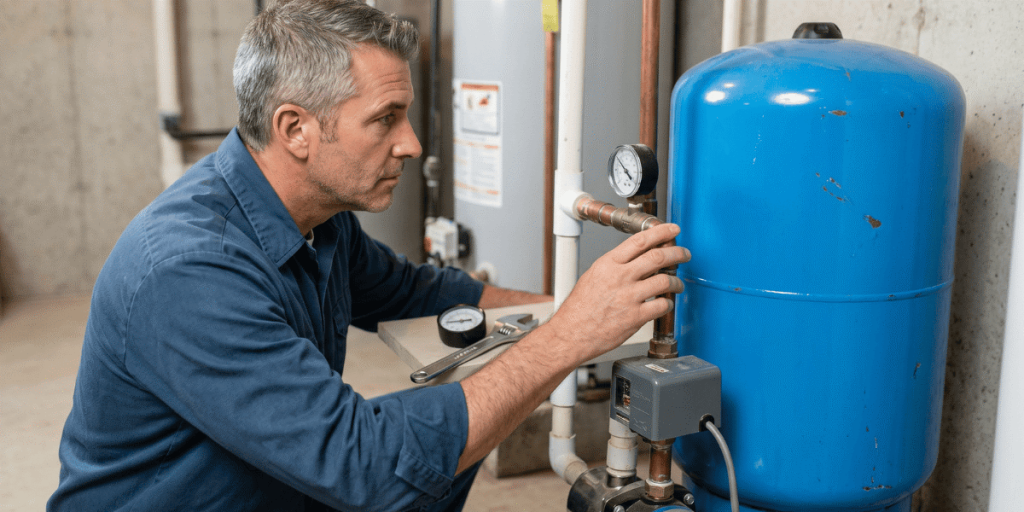
Pressure Tank Problems: How to Know When Your Well’s Pressure Tank Needs Replacing

Most homeowners don’t think about their pressure tank until something goes wrong. Water pressure that surges and drops, a pump that runs more than it should, or a tap that delivers an inconsistent flow. These are the kinds of symptoms that point back to one component: the pressure tank. Small in footprint but critical in

Pressure Tank Problems: How to Know When Your Well’s Pressure Tank Needs Replacing Read More »

Shock Your Well

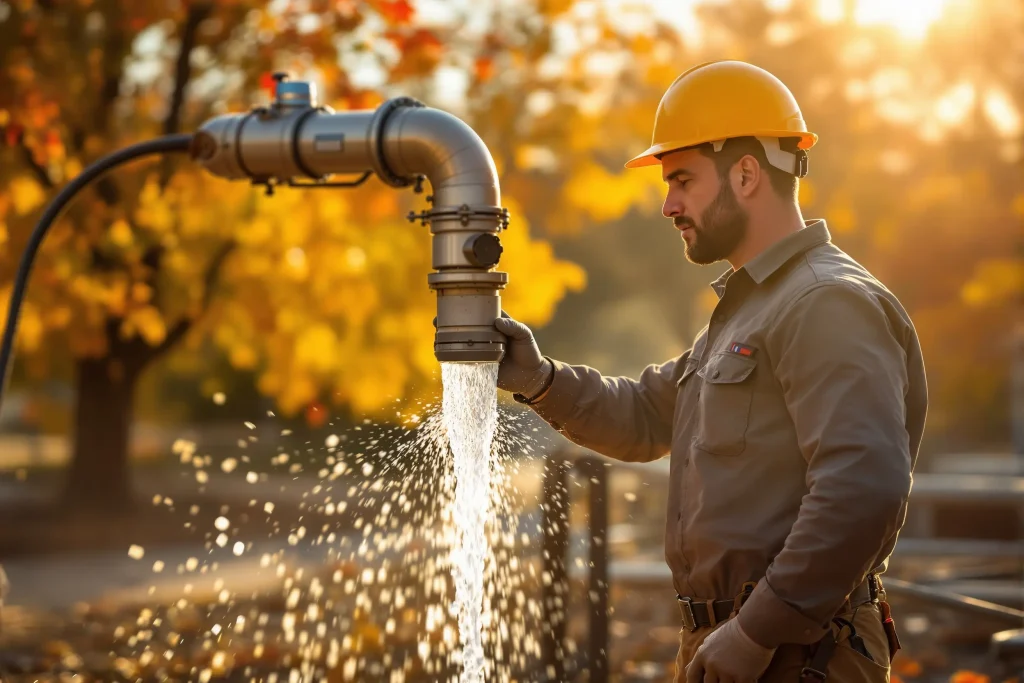
After Heavy Rains: When to Disinfect (Shock) Your Well

When severe storms roll through North Houston and Montgomery County, the heavy rainfall doesn’t just affect roads and yards—it can directly impact the safety of your private well water. Surface water carrying bacteria, debris, and agricultural runoff can seep into your well through compromised seals, cracked casings, or damaged well caps. When Should You Shock

After Heavy Rains: When to Disinfect (Shock) Your Well Read More »

Home with a Well

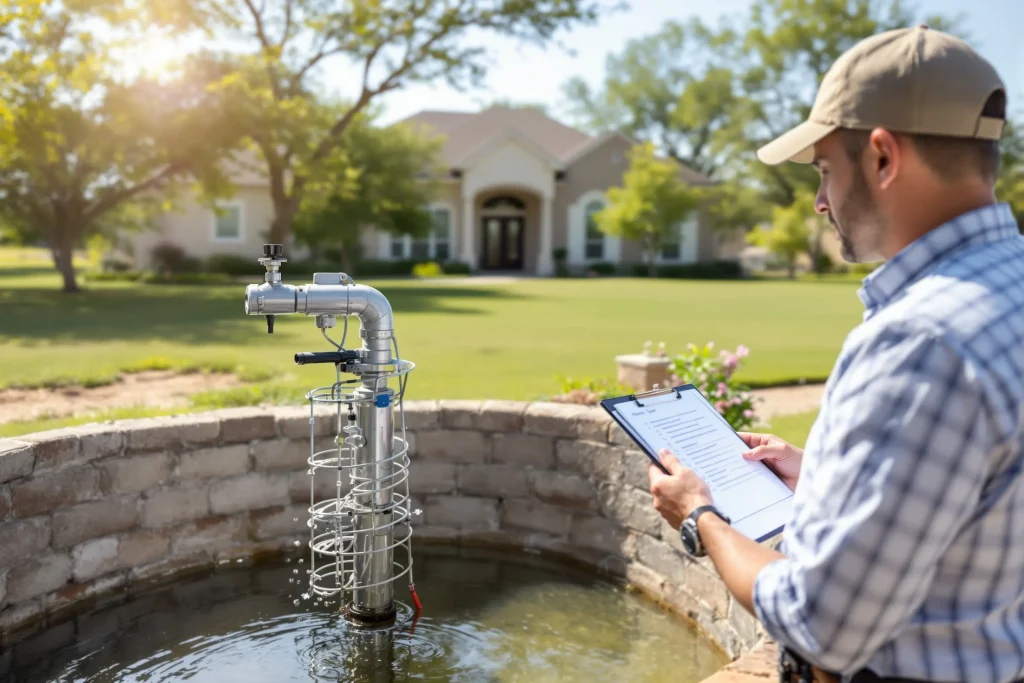
Buying a Home with a Well? What a Real Well Inspection Includes in Texas

Purchasing a home with a private water well can be an excellent investment—especially in rural North Houston where municipal water may not be available. But unlike city water, where quality and infrastructure are managed by a public utility, a private well puts the responsibility entirely on the homeowner. A thorough well inspection before closing is

Buying a Home with a Well? What a Real Well Inspection Includes in Texas Read More »

Bacteria in Your Well Water

Bacteria in Your Well Water: Coliform vs. E. coli & What to Do

Discovering bacteria in your well water is alarming, but it’s more common than you might think—and it’s absolutely treatable. Understanding the difference between total coliform bacteria and E. coli, knowing how they enter your well, and taking the right corrective steps can restore your water to safe drinking quality. What Is Total Coliform? Total coliform

Bacteria in Your Well Water: Coliform vs. E. coli & What to Do Read More »

Protect Your Wellhead

Protect Your Wellhead: Caps, Conduit & Grating That Keep Water Safe

Every day, contaminants threaten your well water from above ground. Rainwater carrying fertilizer, pesticides, and animal waste can pool around your wellhead. Insects, spiders, and small animals can crawl through tiny openings. Debris, leaves, and sediment can accumulate and eventually seep downward. Your wellhead—the visible portion of your well above ground—is specifically designed to stop

Protect Your Wellhead: Caps, Conduit & Grating That Keep Water Safe Read More »