Summary:
Recognizing signs of a failing well pump, such as low water pressure, unusual noises, short cycling, sediment, or rising energy bills, can help prevent complete system failure. Understanding basic troubleshooting, preventive maintenance, symptom combinations, and repair or replacement considerations can support timely action and reliable well operation.
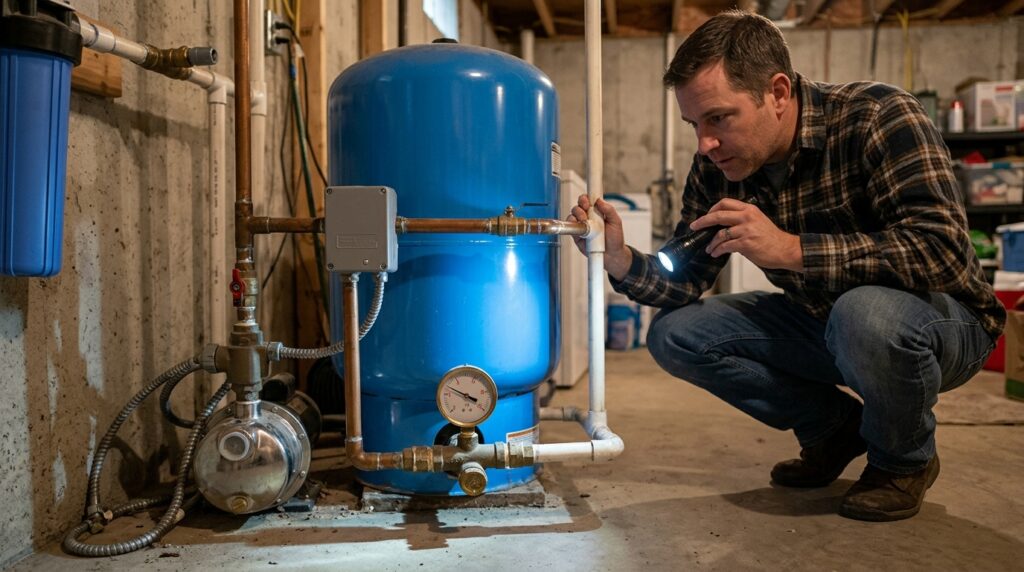
Your well pump works quietly in the background every single day. It turns on when you shower, when the dishwasher runs, and when you water the garden, and most people never think about it until something changes. Have you noticed your shower pressure dropping lately, or heard a strange clicking sound coming from the pressure tank in the garage? Those small changes matter more than most homeowners realize.
A well pump does not usually fail in an instant. It gives off signals first, and learning to read them can help you avoid a total loss of water at the worst possible time, such as during a holiday gathering or right before a guest arrives.
Common Signs a Well Pump Is Failing
Here are the warning signs homeowners report most often, along with what is usually happening beneath the surface when each one appears.
- Sudden Drop in Water Pressure
This is usually the first thing people notice. A shower that once felt strong starts to trickle, or the washing machine takes far longer to fill. Weak pressure often points to a worn impeller inside the pump, though it can also stem from a waterlogged pressure tank or a clogged filter.
- Air Sputtering from The Faucets
If air spits out before water flows, the pump may be pulling from below the water line inside the well, or there could be a crack somewhere in the piping. Either situation deserves prompt attention because continued operation with air in the line can damage the pump further.
- Unusual Sounds from the Pump or Pressure Tank
A healthy system runs with a fairly consistent hum. Grinding, rattling, or a rapid clicking sound near the pressure switch are not normal, and they usually mean a bearing is wearing out or the pressure switch itself is starting to fail.
- Frequent Cycling On and Off
Also called short cycling, this happens when the pump turns on and off in quick bursts rather than running a full cycle. It puts significant strain on the motor and often traces back to a waterlogged pressure tank, a failing pressure switch, or a leak somewhere in the system.
- Cloudy or Sandy Water
Grit in your water usually means the pump is drawing from too close to the bottom of the well, or the well casing has developed a problem that allows sediment to enter. Beyond the inconvenience, sand and sediment accelerate wear on pumps, water heaters, and fixtures throughout the home.
- Rising Electric Bills
A pump working harder than it should draws more power to do the same job. If your electric bill climbs without any change in household habits, the well pump is worth investigating before the bill climbs further or the motor gives out completely. Compare your last three monthly bills against the same months from a year earlier. A steady upward trend, separate from seasonal air conditioning use, is a reasonable signal to have the well system looked at.
Well Pump Troubleshooting Basics Before You Call for Help
- Check the breaker box: A tripped breaker is an easy fix and a common cause of a pump that seems completely dead.
- Check the pressure gauge: A reading far below the normal operating range can point toward a pressure switch problem rather than the pump itself.
- Avoid opening the pump housing: Homeowners should not attempt to open the pump housing or inspect internal components.
- Do not attempt electrical work: Since well equipment involves electrical connections near water, electrical troubleshooting and a trained professional should handle the repairs.
- Know when to stop: If the breaker and pressure gauge look normal but the problem continues, avoid further testing and schedule professional service.
When unexpected well problems leave your property without reliable water, reach out to 77 Water Well for responsive water well emergency service. We diagnose the issue and restore proper system operation.
Preventive Steps That Extend Pump Life
A few simple maintenance habits can help extend a well pump’s service life and reduce the risk of unexpected failures.
- Start with a regular well inspection so a technician can identify developing issues before they affect the entire system. Problems such as a worn pressure switch, weak capacitor, or inconsistent pressure can place additional strain on the pump if they are left unresolved.
- Keeping track of the pump’s installation date is also useful. Knowing how old the pump is gives you a better idea of its expected service life and helps you plan for future replacement. It also makes it easier for a technician to understand the system’s history during inspections or repairs.
- The electrical components deserve attention as well. A properly installed surge protection device can help protect the pump motor from voltage spikes caused by electrical disturbances or storms. Having the correct pressure tank size for your household is equally important because an undersized or improperly functioning tank can contribute to frequent pump cycling.
- Regularly checking water pressure can provide another early warning. Sudden changes in pressure, unusual pump sounds, or repeated starts and stops may indicate a developing problem.
Addressing these signs early can reduce unnecessary wear and help keep the well system operating reliably.
Low Pressure and Other Warning Combinations
A single symptom on its own does not always mean the pump is finished. A combination of water pump problems like low water pressure, short cycling, or unusual pump noise can indicate an issue with the pump, pressure tank, pressure switch, plumbing, or another part of the well system, but these symptoms do not necessarily mean the pump is nearing the end of its service life. The table below breaks down common symptom combinations and what they typically point to.
| Symptom | Likely Cause | Recommended Action |
| Low pressure only | Clogged filter or waterlogged tank | Check filter, inspect tank pressure |
| Low pressure + clicking sound | Failing pressure switch | Schedule a technician visit |
| No water + tripped breaker | Electrical fault or overload | Reset breaker once, then call for service if it trips again |
| Sandy water + reduced flow | Pump drawing near well bottom | Well inspection and possible pump repositioning |
| High bill + constant running | Pump running near continuously | Full system diagnostic recommended |
Frequently Asked Questions
- Can a failing well pump be repaired instead of replaced?
Sometimes, yes. A fault in the pressure switch, capacitor, or wiring may be resolved through component-level repairs, allowing the existing pump to remain in service. A worn impeller or motor, however, usually calls for full replacement since those components are not practical to repair once they degrade.
- How long do well pumps last?
Most residential well pumps last 8 to 15 years, although well-maintained systems may operate for 20 years or longer. Water quality, sediment, electrical supply, pump type, and regular maintenance can all affect lifespan.
- What happens if I ignore a failing well pump?
Ignoring early warning signs typically leads to a complete loss of water, usually at a stressful moment such as a holiday weekend or right before guests arrive, along with a higher repair bill since a pump that fails completely can also damage the motor housing or wiring around it.
- How to tell if a well pump is going bad?
Signs of a failing well pump can include low water pressure, unusual noises, frequent cycling, cloudy water, or no water at all. If these problems continue, professional inspection can help identify the cause before the pump fails completely.
- How much does a well pump replacement cost?
Costs vary by pump horsepower, well depth, and whether the pressure tank also needs replacement, but homeowners should expect a wide range depending on these factors. A technician can provide an exact figure after inspecting your specific well.
Conclusion
A well pump can show several warning signs before a serious problem develops. Weak pressure, unusual noises, short cycling, sandy water, and rising electric bills can all indicate that the well system needs attention. Recognizing these changes early gives homeowners an opportunity to have the system inspected before a minor issue develops into a complete loss of water.
Routine maintenance is important in keeping the pump and related components operating properly. Checking pressure levels, monitoring unusual changes in performance, and scheduling regular inspections can help identify problems with the pump, pressure tank, pressure switch, or other components.
Prompt professional service can also reduce unnecessary wear and help prevent more extensive repairs. Trust 77 Water Well for dependable well care backed by experienced technicians and practical solutions from local well water experts.