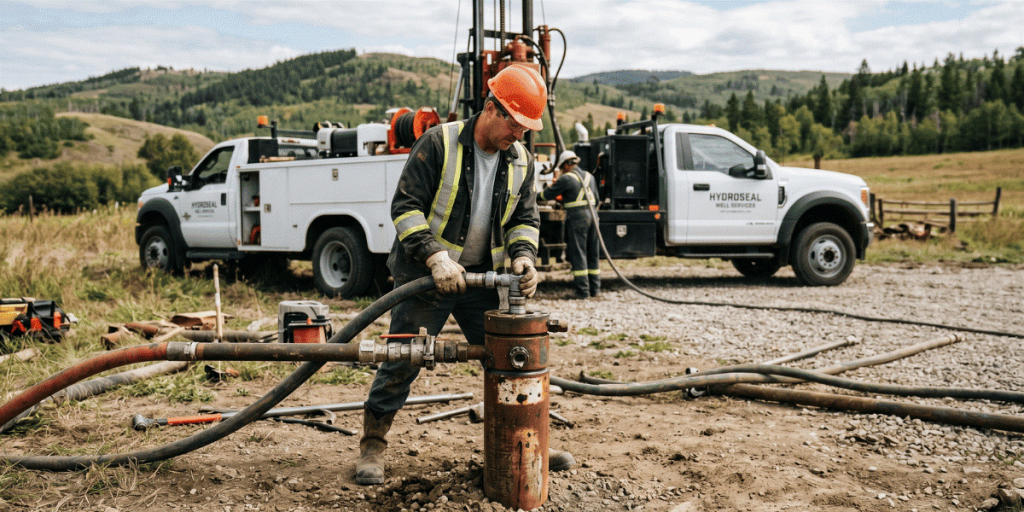
Abandoned water wells are easy to overlook, especially on older properties across Texas. Some are hidden beneath overgrown grass, while others sit unused for years after a property changes ownership. Even though these wells may appear inactive, they can still create serious environmental and safety concerns beneath the surface. An unused well can become a direct pathway for bacteria, chemicals, debris, and polluted runoff to enter underground aquifers. Many property owners do not realize that Texas law requires unused wells to be professionally sealed to protect groundwater resources and reduce public safety hazards.
Without professional sealing, abandoned wells can lead to land instability, contamination concerns, and legal responsibility for the property owner. Understanding how well plugging works and why it matters helps landowners make informed decisions before small issues become costly problems.
What Is Well Plugging?
Well plugging is the process of permanently sealing a water well that is no longer active, safe, or needed. The goal is to stop water movement between underground formations and prevent contaminants from reaching groundwater supplies. Professionals use approved sealing materials and specialized equipment to close the well according to state guidelines.
Understanding Abandoned Well Sealing
When a well remains unused for a long period, it creates an opening that connects the surface directly to underground aquifers. Proper sealing blocks the pathway and restores environmental protection. Common sealing materials include:
- Cement grout
- Bentonite clay
- Concrete mixtures
- Clean fill materials in selected sections
Each material serves a specific purpose during the sealing process. Bentonite expands when exposed to moisture, which helps close gaps inside the well. Cement grout creates a stable barrier that limits water movement through the borehole.
Temporary Abandonment Vs Permanent Plugging
Temporary abandonment means a well may still return to service later. In that situation, the structure is secured and monitored for future use. Permanent plugging is different. Once the well is sealed according to state standards, it is removed from service indefinitely. Reopening a permanently plugged well is generally impractical because the structure no longer functions safely.
Why Professional Sealing Matters
Many landowners search online for how to plug a water well, but proper well closure requires more than filling a hole with dirt or gravel. Incorrect methods can leave hidden gaps underground, which still allow contamination to spread into groundwater systems.
Why Abandoned Wells Are a Serious Risk
Abandoned wells become more dangerous over time, especially when casing deteriorates or the structure is hidden under soil or debris.
Groundwater Contamination Risks
One of the biggest concerns is contamination. Open or damaged wells allow unwanted materials to enter aquifers. Common contamination sources include:
- Bacteria entering from surface runoff
- Household chemicals and pesticides
- Agricultural fertilizers
- Sediment and organic debris
Once contamination reaches groundwater, it spreads beyond the original site and becomes difficult to control.
Safety Hazards on Property
Abandoned wells can also pose physical risks. These hazards increase significantly on farmland and large rural lots.
- Hidden shafts beneath grass or soil
- Weak ground that collapses unexpectedly
- Open casings that animals can fall into
- Unmarked locations on older properties
Structural and Land Stability Risks
Old wells may also affect soil stability. These effects often develop slowly and go unnoticed until visible ground changes appear.
- Ground sinking around casing areas
- Erosion near unused boreholes
- Damage to nearby structures over time
Liability Exposure
Property owners could be held liable for incidents related to abandoned wells. This includes injuries, contamination claims, and environmental violations, especially when wells were never properly documented or sealed.
When Does a Well Need to Be Plugged?
A well should be sealed when it no longer provides safe or useful service.
Common Triggers for Plugging
- The well is no longer in use for the water supply
- A new well system has replaced the old one
- Property ownership has transferred without records of the well
- Structural failure affects casing integrity
- Water quality cannot meet safe standards
In many situations, older wells remain hidden after construction projects or property redevelopment. Those forgotten systems still create environmental risks underground.
Signs a Well Has Reached the End of Its Service Life
Several warning signs indicate a well may no longer be safe:
| Warning Sign | Possible Concern |
|---|---|
| Rusted casing | Structural failure |
| Standing water near the opening | Contamination risk |
| Broken caps or exposed pipes | Safety hazard |
| Low water quality | Aquifer exposure |
| Soil sinking nearby | Underground instability |
Legal Requirements for Well Plugging
Texas has structured regulations that control how unused wells must be managed, sealed, and documented. These rules exist to protect groundwater systems that supply drinking water for homes, farms, and communities across the state.
Regulatory Oversight
Compliance is monitored through several agencies that work together to protect groundwater resources. The Texas Commission on Environmental Quality (TCEQ) establishes guidelines and regulations for environmental protection and public health in Texas. State water protection programs also support oversight by guiding proper sealing practices and environmental safeguards.
Contractor Licensing Requirements
Texas law requires that only licensed water well professionals carry out sealing work. This requirement exists to prevent improper closure methods that can damage aquifers or leave underground pathways open. Licensed contractors are responsible for correct sealing depth, proper placement of materials, and adherence to groundwater protection rules.
Reporting and Documentation
Once the sealing work is complete, proper documentation becomes part of the official record. This typically includes the exact location and depth of the well, details of the sealing materials used, the method applied during closure, and final confirmation that the well has been properly decommissioned. Accurate reporting is important because it creates a permanent record for future property transactions and regulatory checks.
How The Well Decommissioning Process Works
Well decommissioning follows a structured technical method designed to permanently remove risk and restore land stability.
Step 1: Site Inspection and Evaluation
Technicians assess:
- Depth and diameter of the well
- Condition of casing and structure
- Surrounding soil conditions
- Potential contamination risks
Step 2: Equipment Removal
All mechanical and electrical components are removed, including pumps and motors, pipes and wiring, and internal debris or obstructions.
Step 3: Sealing and Filling Process
The well is sealed using controlled placement methods. These steps include cement grout injection, bentonite layering for water blockage, and gradual filling to prevent voids. This step prevents movement between underground water zones.
Step 4: Surface Closure
During the surface closure stage, the remaining well casing is cut below ground level to remove any exposed structure. The area is then carefully compacted and leveled to stabilize the soil and prevent future sinking or uneven ground. Once the surface is secured, the site is restored so it can be safely used again for landscaping, construction, or normal land activity without any remaining hazards.
Step 5: Final Compliance Report
A completion report confirms that the well meets state closure requirements.
Benefits of Proper Well Plugging
Proper plugging creates long-term environmental and property-related benefits.
- Protects Groundwater Quality: Sealing inactive wells blocks contaminants from entering drinking water aquifers.
- Eliminates Safety Hazards: Plugging removes open shafts and unstable ground conditions that threaten people, pets, and livestock.
- Supports Legal Compliance: Following state regulations reduces legal risks tied to abandoned wells.
- Prevents Property Damage: Unused wells can contribute to erosion and land instability. Proper closure helps maintain safer ground conditions.
- Improves Land Value and Usability: A professionally sealed well allows property owners to move forward with construction, farming, landscaping, or future development plans with fewer environmental concerns.
In North Texas regions, well plugging work performed by trained teams such as 77 Water Well helps reduce long-term environmental risks tied to old systems. Get in touch with us if you need water well system repairs!
Signs You May Have an Abandoned Well on Your Property
Many abandoned wells are not immediately visible and may be covered or forgotten over time. Some common indicators are:
- Metal or PVC casing emerging from soil
- Circular depressions in the ground
- Wet soil patches without irrigation sources
- Historical property documents referencing wells
- Old pump foundations or concrete pads
A professional well inspection can confirm whether a structure is active, inactive, or abandoned.
Frequently Asked Questions (FAQs)
1. What is the purpose of well plugging?
Well plugging seals unused wells permanently to prevent contamination, protect aquifers, and remove physical hazards on property.
2. How long does well plugging take?
Most residential wells can be sealed within a day, depending on depth, condition, and site access.
3. Is well plugging required in Texas?
Yes, Texas regulations require unused wells to be properly sealed by licensed professionals under state and local rules.
4. What materials are used to seal a well?
Cement grout and bentonite clay are commonly used to block water movement and stabilize underground structures.
5. What problems can occur if a well is not sealed?
Unsealed wells can cause groundwater contamination, soil instability, safety hazards, and legal liability for property owners.
Final Thoughts
Abandoned wells may seem minor, but their impact on groundwater safety and land stability is significant. Once a well is no longer in use, leaving it open creates long-term environmental and legal concerns. Proper sealing removes those risks and helps protect both property and public water systems. Texas landowners carry responsibility for managing unused wells correctly. Taking action early reduces future complications and supports safer land conditions for everyone. If you suspect an unused or abandoned well on your property, a professional evaluation is the safest next step.
77 Water Well in Texas provides field support for sealing and compliance-based well closure. You can also schedule a well inspection with us to identify risks and determine proper closure requirements. Book an inspection today!